The Silent Roommate
/How Your Home Designs Your Relationships
February is often framed through the lens of connection. The romantic dinners, the long-overdue coffee dates, and the intentional moments we carve out for the people who matter most. Yet, there is a silent participant in every one of those relationships that we rarely acknowledge: our home.
We tend to think of clutter as a visual eyesore or a weekend chore. But as a professional organizer, I see it differently. Cluttered spaces aren’t just messy; they are friction points. They are the “quiet tension” that dictates whether your evening starts with a warm conversation or a cortisol-spiked search for a missing set of keys.

The Biology of the Mess
It isn’t your imagination: you are shorter with your spouse when the kitchen counter is covered in mail.
Scientific studies have long linked cluttered environments to elevated cortisol levels, particularly in women. When our brains are forced to process excessive visual stimuli—the “un-done” tasks piling up on every surface. We enter a state of low-grade “fight or flight.” In this state, our empathy drops, our patience thins, and our ability to connect is replaced by a desperate need for control.
A supportive home doesn’t have to be perfect; it simply needs to be designed to lower the cognitive load on everyone who lives there.
Systems for Humans, Not Robots
The “Visual” Partner: Needs to see things to know they exist. Hidden drawers are where their things go to die.
The “Minimalist” Partner: Needs clear surfaces to feel mental peace.
The friction at home often comes from these two styles clashing.The goal of a polymathic home (one that functions across multiple needs) is to create systems that reflect how you actually live.
If your partner always drops their bag by the door, don’t fight the habit—build a “drop zone” there. When a system supports a person’s natural routine, the “nagging” stops, and the connection begins.
The “Shared Space” Reset
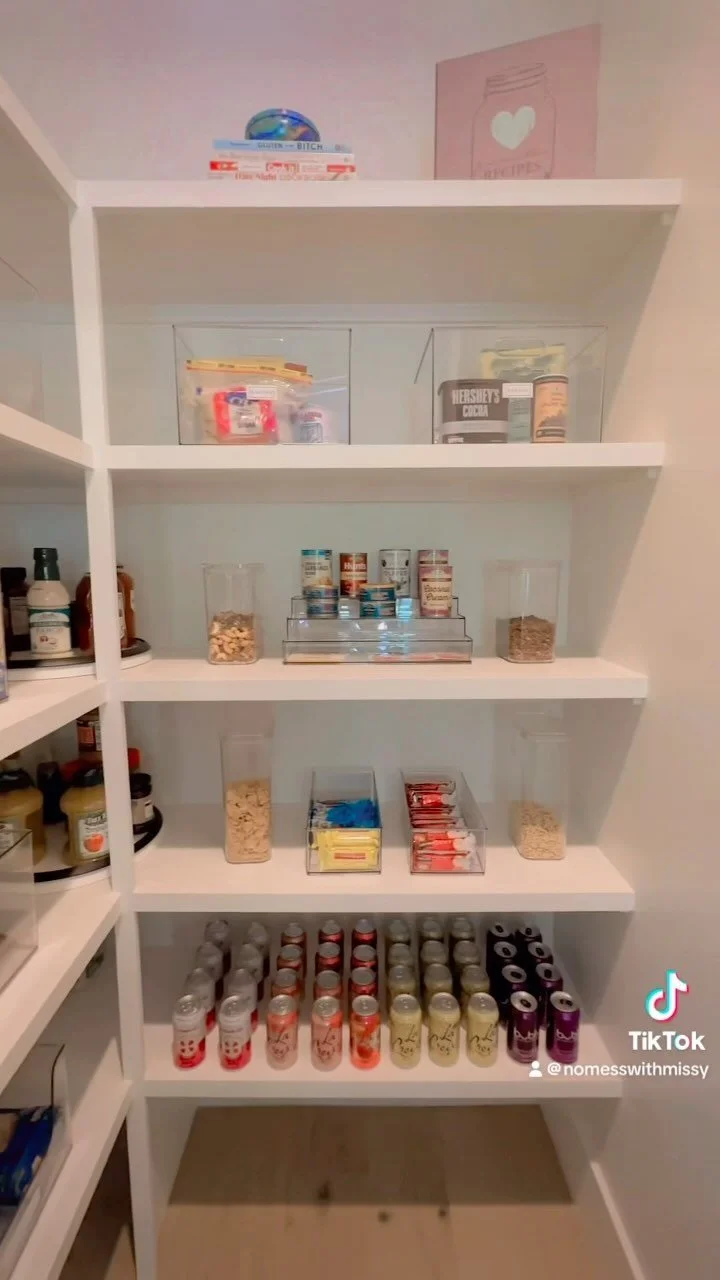
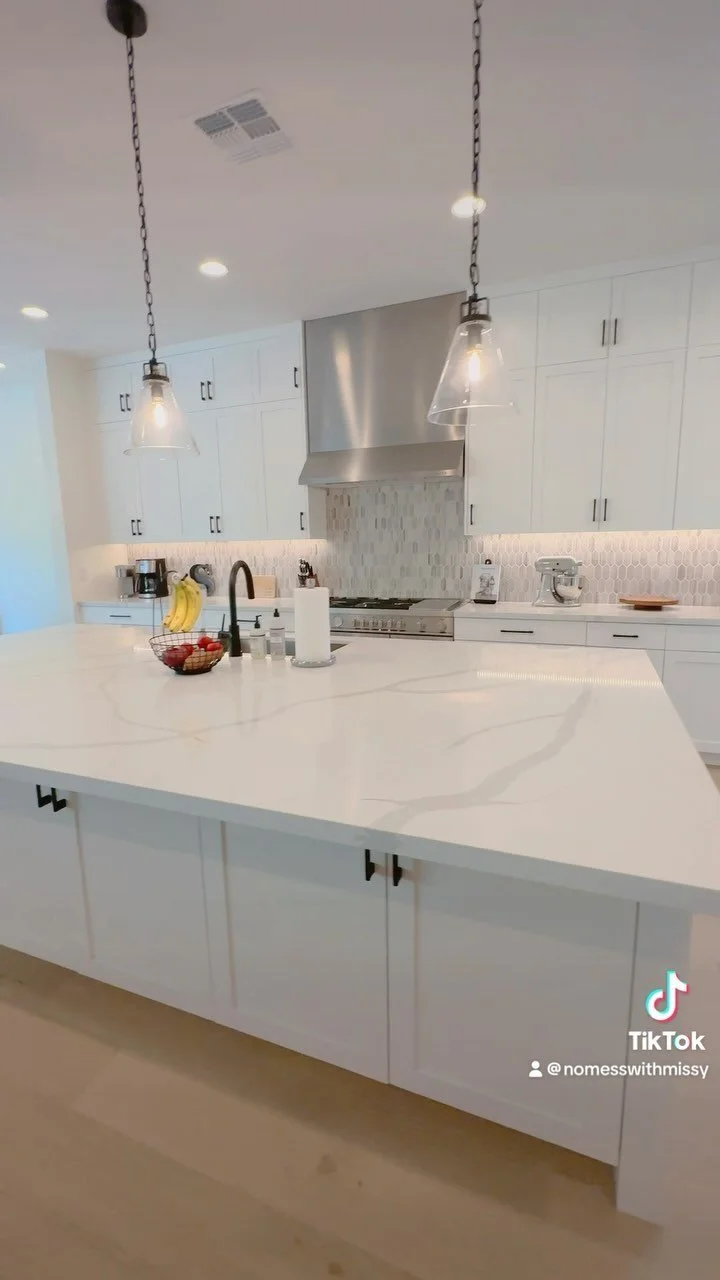
Shared spaces—the kitchen, the entryway, the living room—are the high-traffic hubs of our lives. They don’t struggle because they are small; they struggle when expectations are unclear. When every item has a “home,” you remove the guesswork.
Clarity brings calm. If everyone knows exactly where the chargers go or how the coffee station is reset, you’ve removed a dozen tiny micro-frustrations from your day before they ever had a chance to become an argument.
Your February Reset
You don’t need to organize your entire house to feel a shift. This month, I challenge you to start small:
Identify the Hot Spot: Which one area causes the most daily friction?
Edit and Simplify: Remove the items that don’t belong.
Align with Reality: Build a simple, clear system that everyone in the house can maintain in under two minutes.
Your home should be the place where you recharge your relationships, not where you deplete them. By creating systems aligned with real life, you aren’t just cleaning a room, you are creating the space for ease, patience, and true connection to flourish.